DOOM: The Dark Ages — Why DOOM Still Feels Like DOOM
A design-focused look at why DOOM still feels like DOOM — from light controls and aggressive movement to dynamic music, visual rhythm, and combat flow.
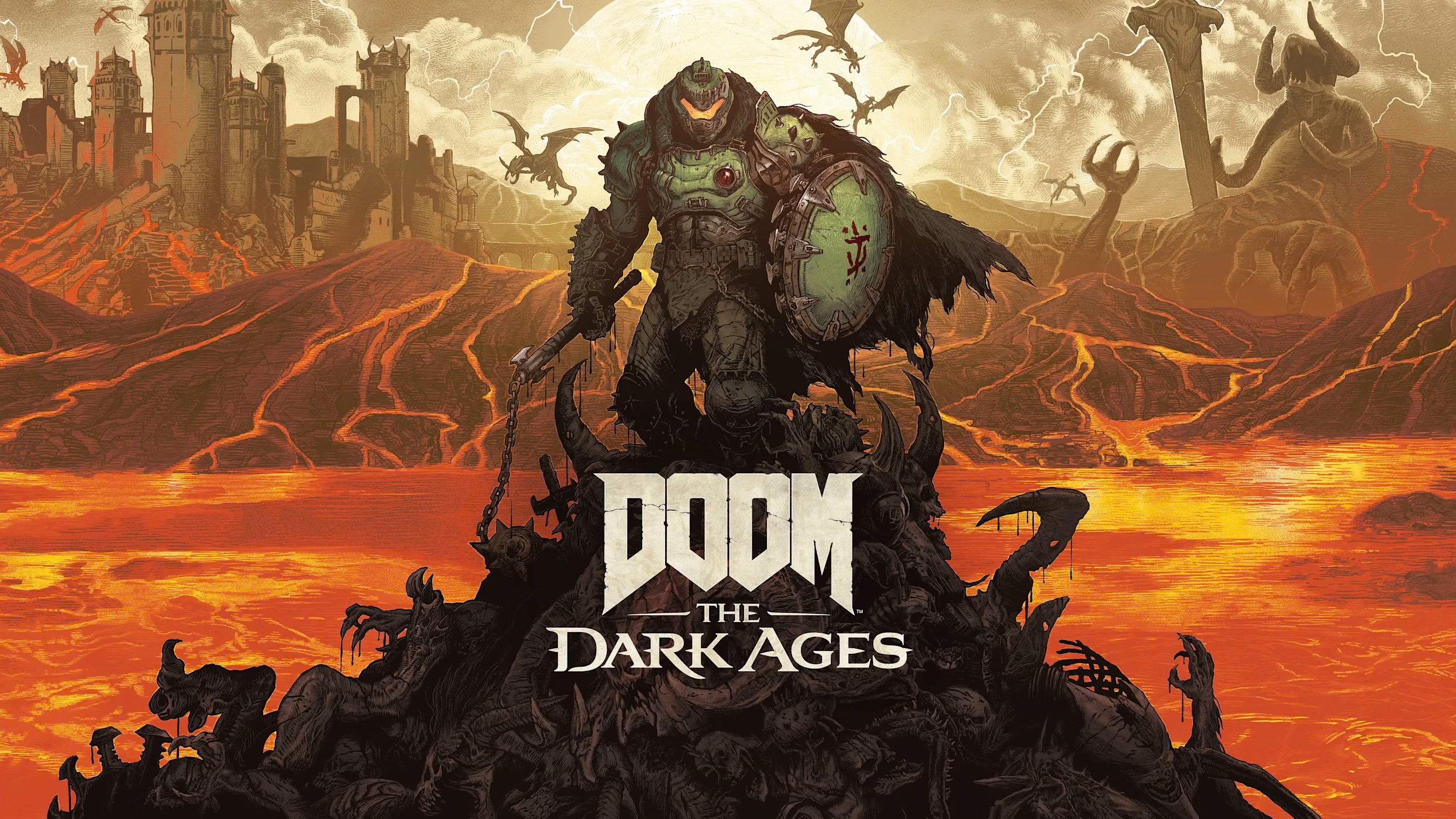
DOOM is one of the rare franchises that can change its visuals, weapons, enemies, and movement style — yet still feel instantly recognizable. DOOM: The Dark Ages looks heavier and more medieval than DOOM 2016 or Eternal, but the moment combat begins, the same feeling is there: fast decisions, clean control, aggressive movement, constant forward pressure.
Many shooters are built around cover, precision, or cinematic pacing. DOOM is built around flow. The player is not meant to hide or wait — they are meant to move, attack, switch weapons, and stay alive through pressure.
The soundtrack amplifies that flow. DOOM's music is not background atmosphere — it is part of the combat system, pushing the player to keep moving without hesitation. But the rhythm does not depend on music alone. Level design, color contrast, enemy silhouettes, pickups, and arena layouts all communicate the same thing visually: red marks danger, pickups pull you through space, enemy shapes are readable at a glance. Even with the sound off, DOOM tells you where to go, what to avoid, and when to keep moving.
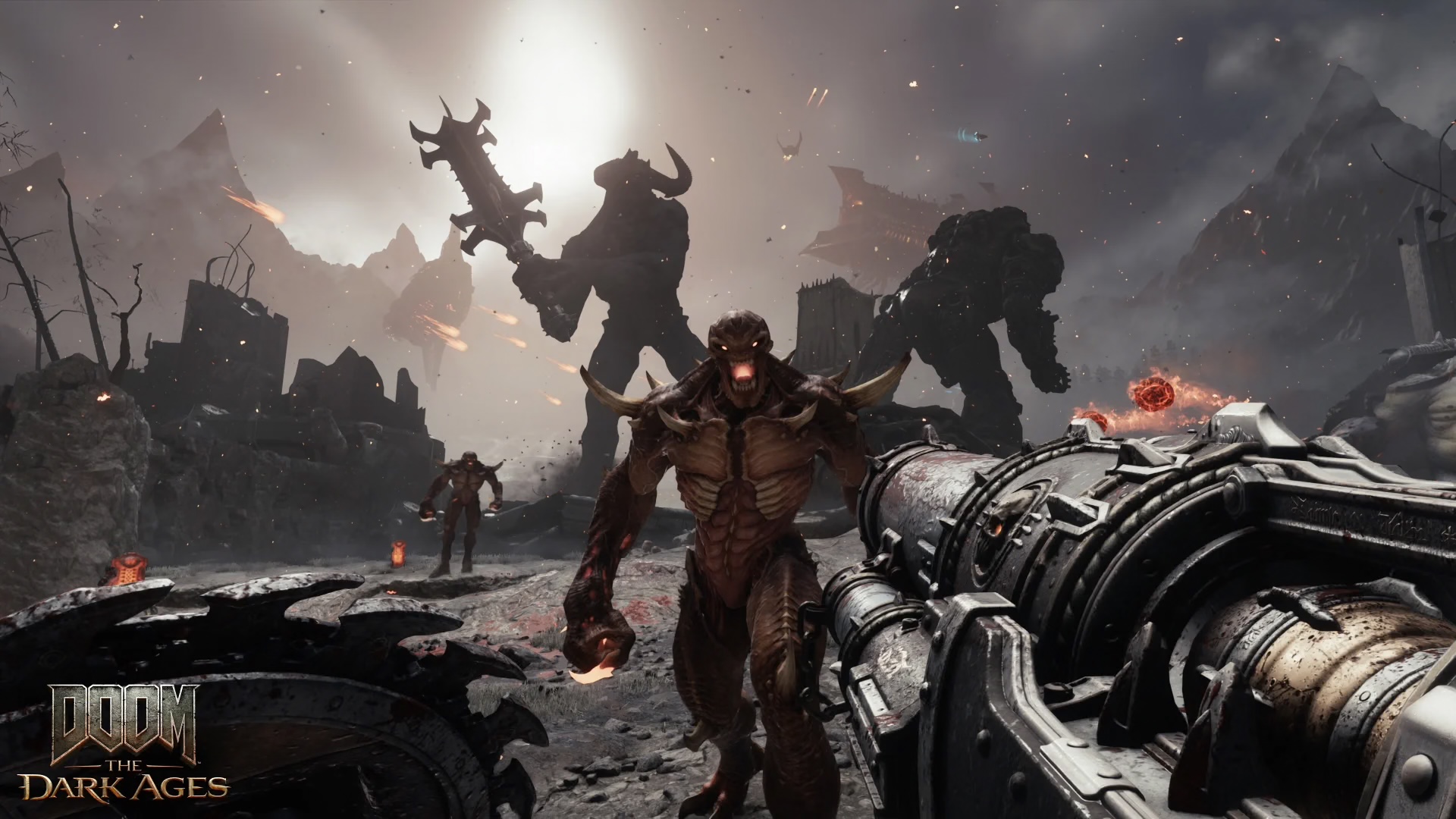 Image source: Bethesda / id Software.
The Fantasy Is Heavy, but the Control Is Light
Visually, the Slayer is heavy — armored, brutal, surrounded by massive weapons and explosions. Everything suggests weight and force. But in the player's hands, DOOM feels light. Movement is quick, turning is sharp, the game responds immediately. You are not waiting for animations to finish or body weight to shift. The controls do not make you feel trapped inside heavy armor.
This goes back to the original games. The early DOOM engine could not afford heavy physical simulation — it had to run on 1990s PCs. So id Software focused on smooth motion and immediate response. Classic DOOM did not simulate a body; it simulated intention. You press forward, you move. You fire, the weapon answers. Almost no friction between thought and action.
That technical limitation became the identity. Many modern games make power feel slow — heavy animations, cinematic delays, long reloads. DOOM understood early that power can feel immediate. The fantasy is weight. The control is lightness.
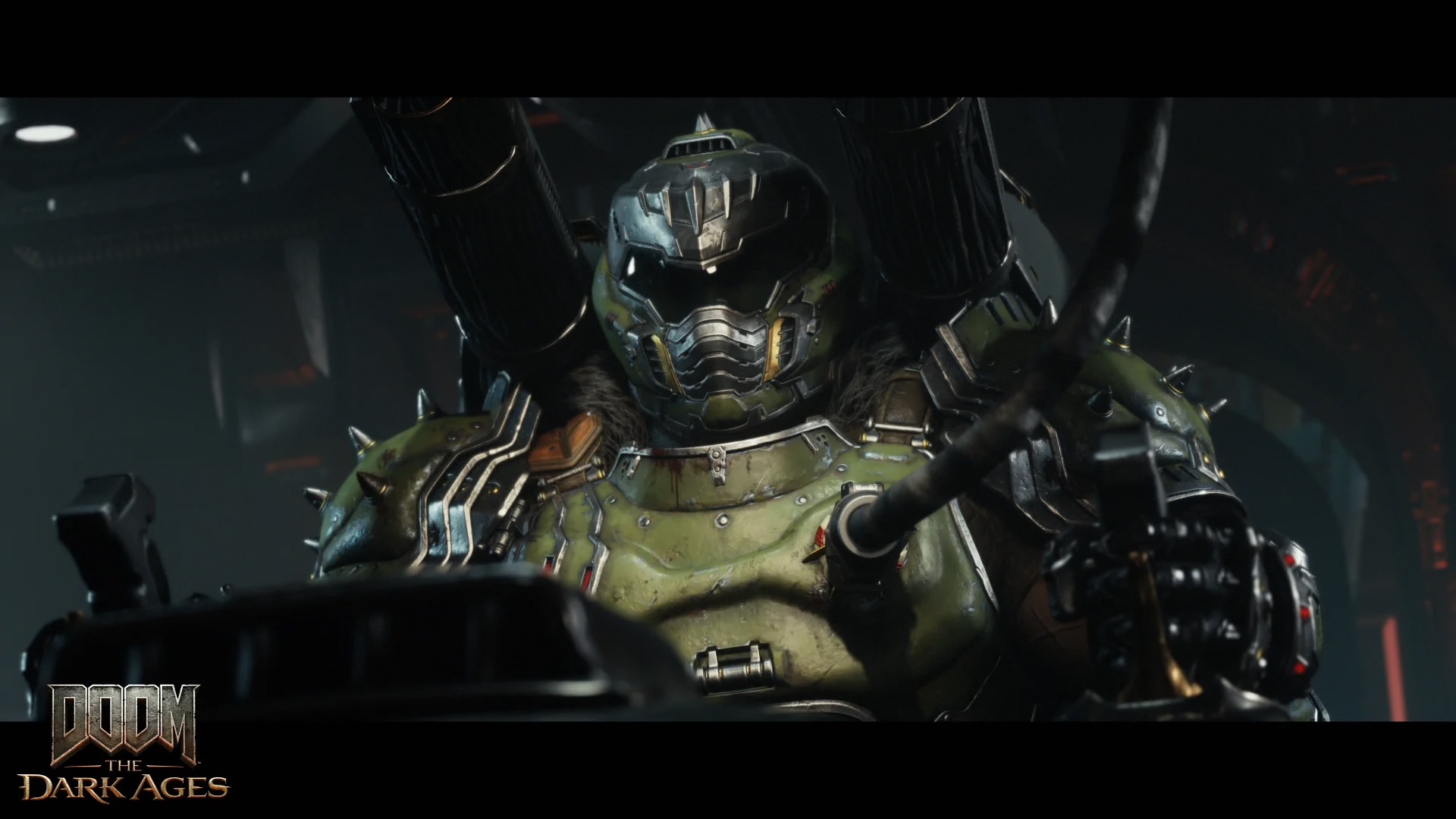 Image source: Bethesda / id Software.
DOOM Is About Momentum
DOOM's combat feels like a violent rhythm game. You are reading enemy positions, choosing targets, managing resources, and reacting to danger in seconds — constantly moving. The game creates pressure but gives you the tools to survive it, as long as you keep moving.
Every enemy has a role. Every weapon has a purpose. Every arena forces the player to keep the flow alive. When the design works, it feels less like a shooting gallery and more like controlled chaos — the music reacting to the fight, every action connecting into one aggressive pulse.
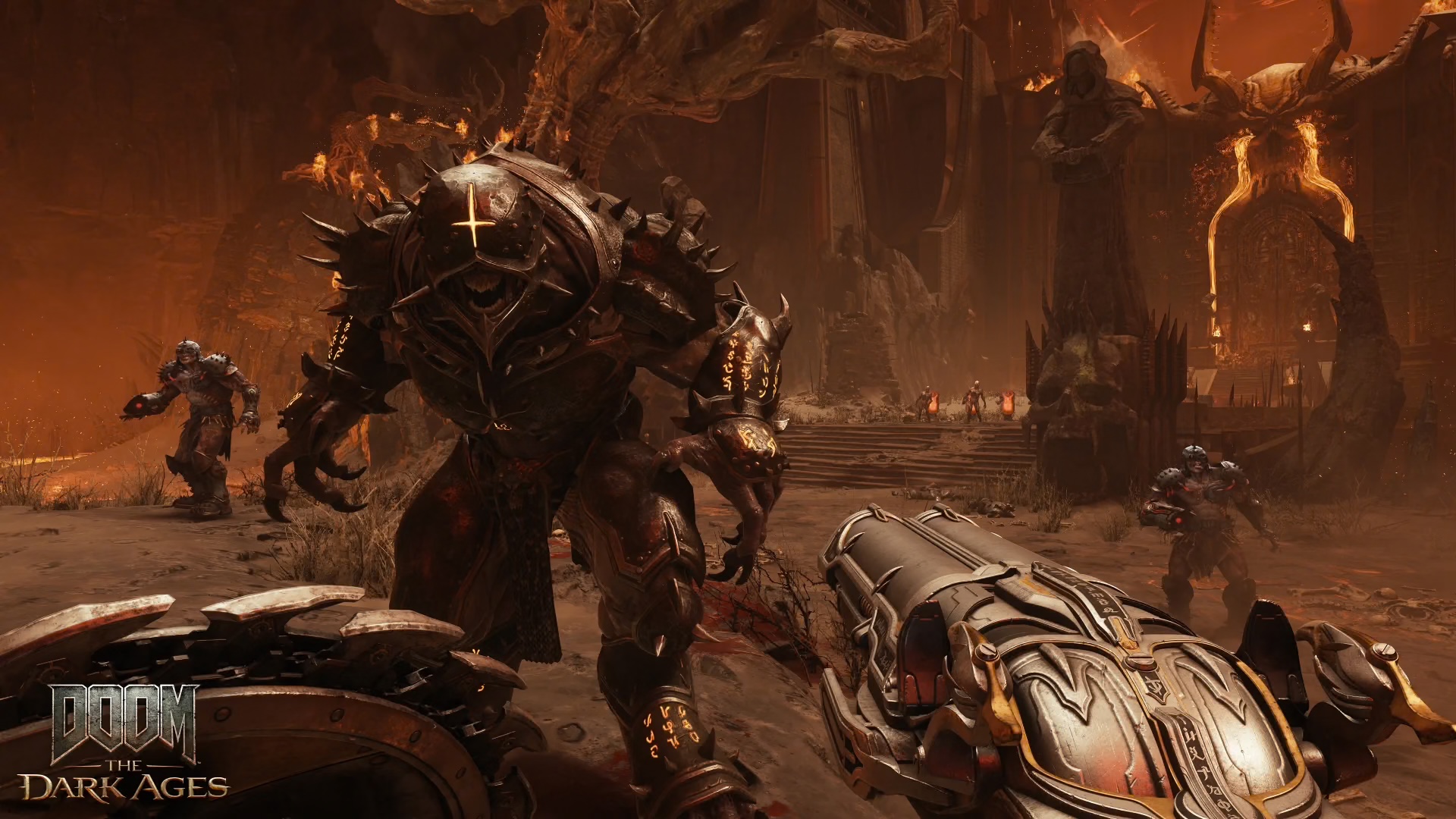 Image source: Bethesda / id Software.
The Dark Ages Changes the Weight, Not the Soul
DOOM: The Dark Ages changes the feel compared to DOOM Eternal. Instead of focusing on extreme acrobatics, air movement, and constant verticality, the new game leans into a heavier and more grounded style. The Slayer feels more like an iron tank — powerful, direct, and aggressive.
That could have been risky.
If DOOM becomes too heavy, it can lose the thing that makes it DOOM. But the important part is that the game does not simply slow everything down. It shifts the weight of the combat while keeping the aggression.
The player may feel more grounded, but the game still wants forward motion. The shield, melee attacks, close-range combat, and heavy impact still push the player into enemies instead of away from them. This keeps the DOOM identity alive.
It is not the same movement language as DOOM Eternal, but it still speaks the same design language.
Why DOOM Survives
DOOM looks chaotic, but the best DOOM gameplay is readable. Enemies are visually distinct. Attacks are clear. Weapons have strong feedback. The player always understands the basic rule: keep moving, keep attacking, use the right tool, do not lose the rhythm.
The game can layer complexity on top — upgrades, parries, resource loops, shield mechanics — but the core stays simple. The setting, weapons, and movement system can all change. From the original DOOM to The Dark Ages, what never changes is that the player must feel like the center of the storm. That is what every entry in the series protects, and why each one still feels connected despite looking nothing alike.
Final Thoughts
For me, DOOM's strongest achievement is that it makes power feel playable. Not just visible. Not just cinematic. Playable. You do not only watch the Slayer become powerful — you feel it through your hands.
That is the real DOOM identity. Not only demons, metal, and blood, but the feeling that every second of combat belongs to you.
Experience source
Where to experience it
The review is only my reading of the game. To experience it yourself, play the original.
Some links may be affiliate links. If you buy through them, I may earn a small commission at no extra cost to you.
Written by bek · April 28, 2026