300: From History to Legend
Bek Lab · August 2026
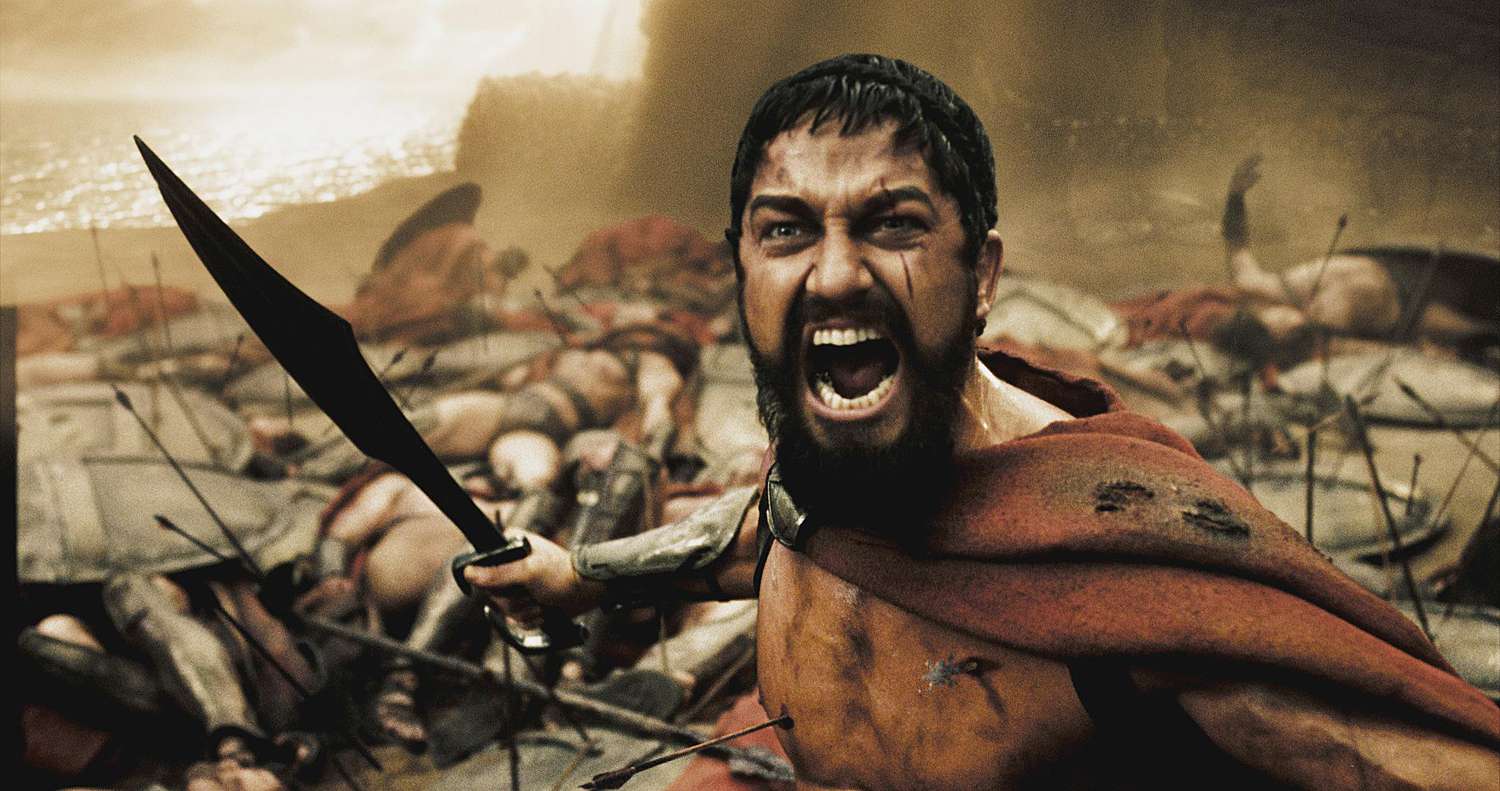
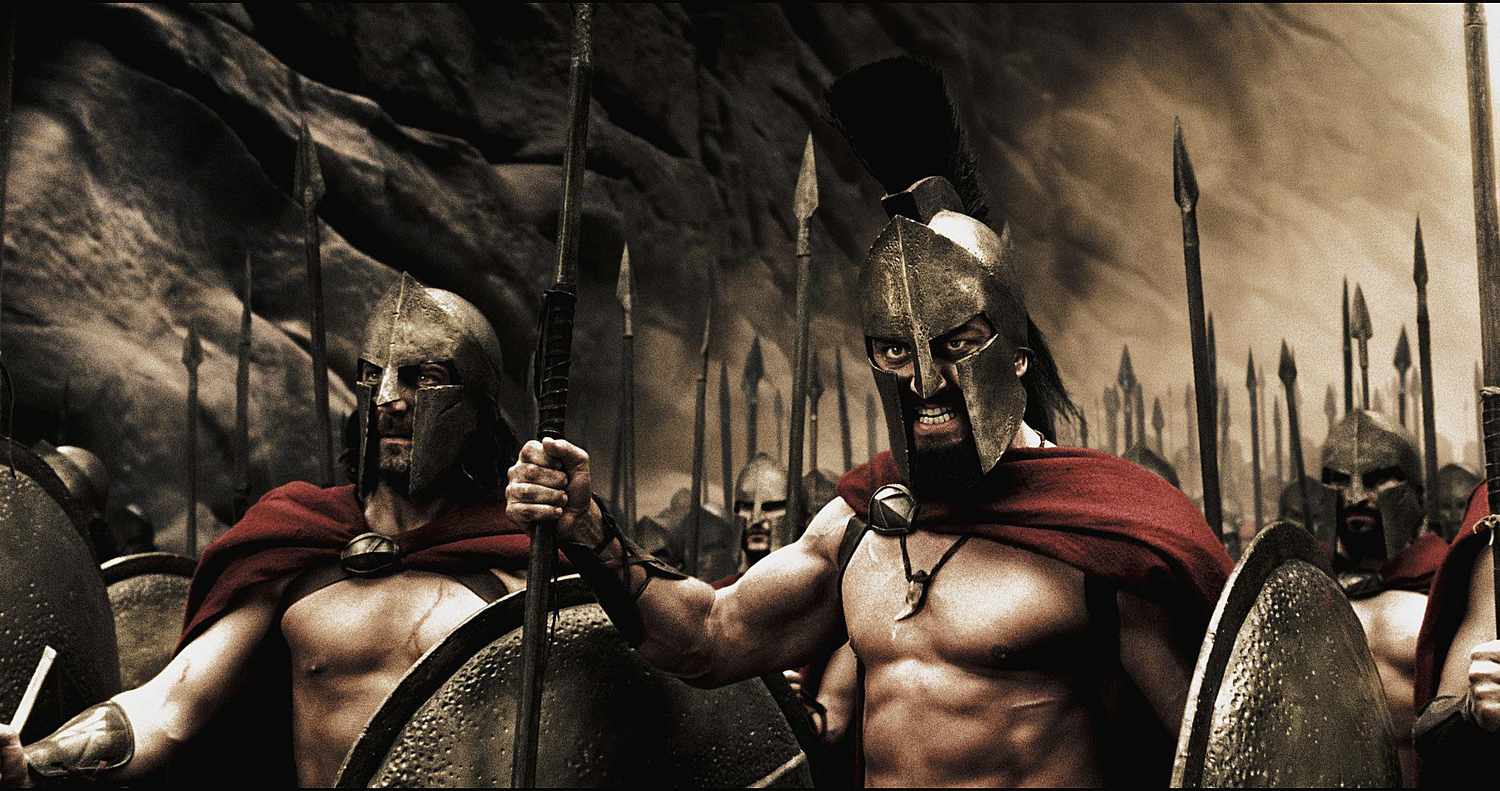 Credit: Copyright Warner Bros. Pictures
When 300 premiered in 2006, it sparked endless debates about historical accuracy. Some praised its action and visual style, while others criticized its portrayal of Sparta, Persia, and the Battle of Thermopylae.
The biggest misunderstanding wasn’t the history itself.
It was the kind of film people thought they were watching.
A Graphic Novel, Not a Historical EpicBecause Leonidas, Xerxes, and the Battle of Thermopylae were real, many audiences naturally approached 300 like Gladiator or Braveheart.
It isn’t that kind of film.
In 1998, American comic book writer and artist Frank Miller reimagined the Battle of Thermopylae as a highly stylized graphic novel. Eight years later, director Zack Snyder adapted Miller’s work for the screen—not by simply retelling the story, but by recreating its visual language.
Many scenes were filmed almost panel-for-panel. Camera angles, compositions, lighting, silhouettes, and even character poses closely mirror the original artwork.
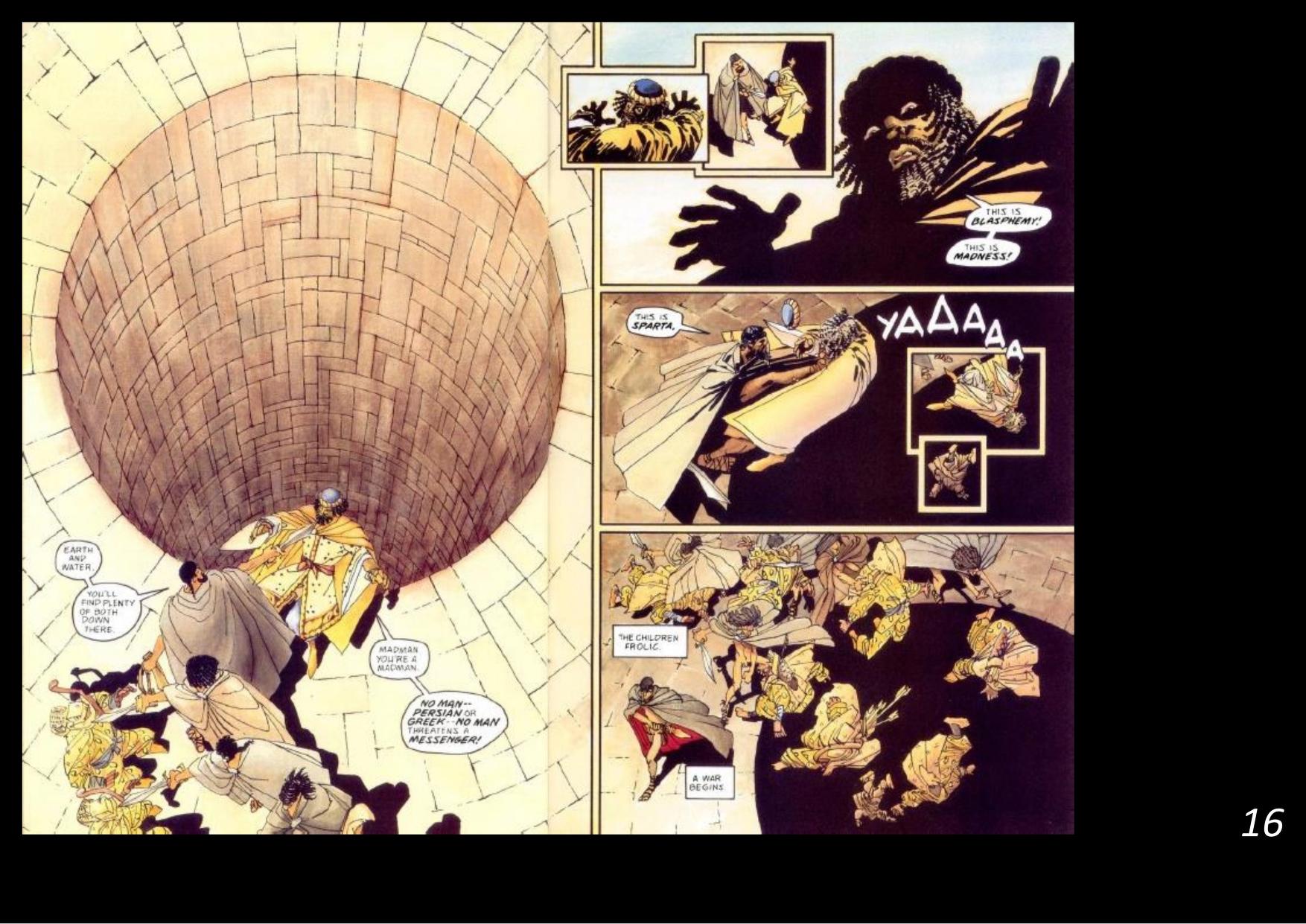 Credit: Archive.org
The objective was never archaeological accuracy.
It was to bring a graphic novel to life.
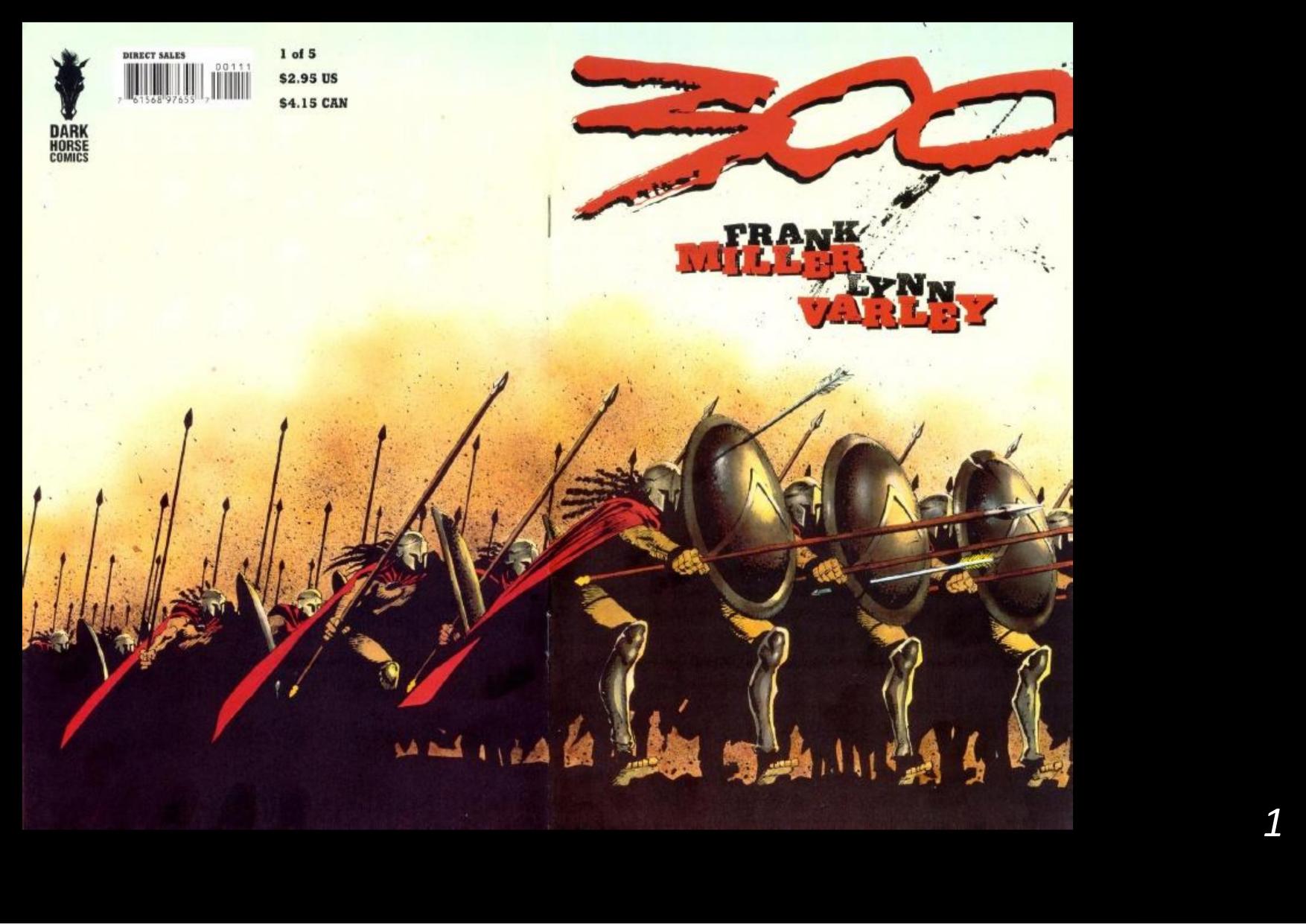 Frank Miller’s 300 — Credit: Archive.org
Once you understand that, many creative choices suddenly make sense. The towering Xerxes, the grotesque Ephors, the impossible skies, and the exaggerated violence aren’t failed attempts at realism—they’re faithful translations of Frank Miller’s illustrations.
The Battle Was RealIronically, while the film stylizes almost everything, its central military idea is rooted in history.
Leonidas chose Thermopylae because it was a narrow mountain pass where Persia’s overwhelming numbers became far less effective. By forcing the invading army into a bottleneck, the Greeks prevented Xerxes from using his greatest advantage—numbers.
It remains one of history’s greatest examples of terrain becoming a weapon.
The film quietly introduces this idea in its opening minutes.
Young Leonidas doesn’t defeat the wolf because he is stronger. He traps it inside a narrow passage where the animal cannot use its size or speed.
Without realizing it, the audience has already been shown the Battle of Thermopylae.
The wolf is Persia.
The narrow passage is Thermopylae.
That simple sequence foreshadows the entire film before a single Persian soldier appears on screen.
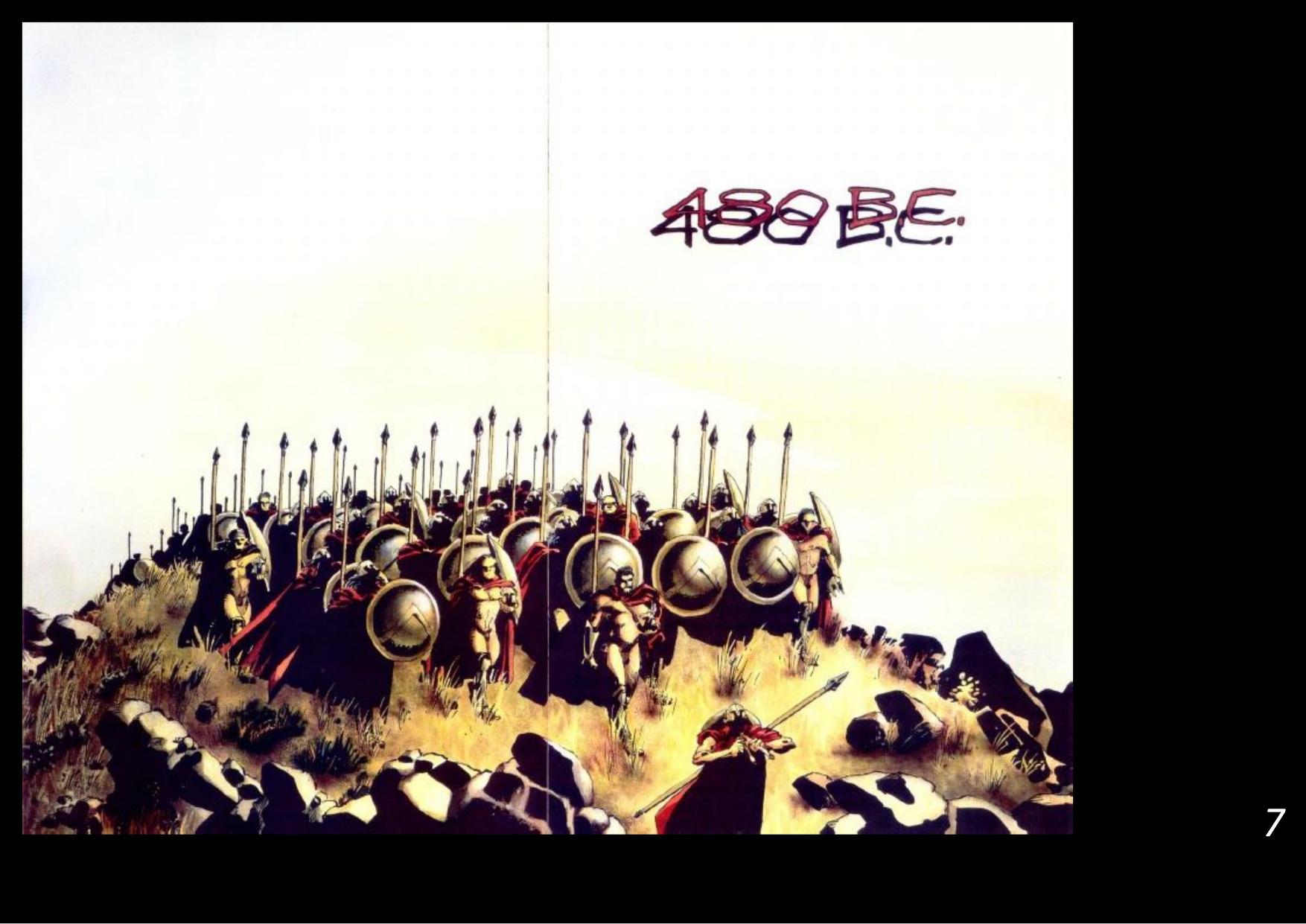 Frank Miller’s 300 — Credit: Archive.org
Ironically, a film often criticized for its historical portrayal inspired many viewers to revisit the real history. Whether to verify the movie’s version of events or simply out of curiosity, countless people searched for the Battle of Thermopylae, learned about the Spartans, and discovered one of history’s most famous military last stands.
Instead of Hiding CGI, 300 Embraces ItNearly every frame in 300 is intentionally artificial.
Natural locations are rare. Digital environments replace realistic landscapes. Sets and costumes are designed for dramatic composition rather than historical reconstruction. The lighting, color palette, slow motion, and graphic silhouettes work together to resemble a moving illustration instead of a conventional historical film.
Most films use CGI to hide it.
300 does the opposite.
It embraces CGI.
Because 300 never chased photorealism, it never became trapped by it. While many visual effects films from the 2000s now reveal the limits of their technology, 300 still feels remarkably modern because its world was never meant to look natural.
Its artificiality became its greatest strength.
Nearly twenty years later, its bold digital landscapes, graphic compositions, dramatic lighting, and iconic silhouettes remain instantly recognizable. Rather than aging with technology, 300 created a visual language almost entirely its own.
It doesn’t look like reality.
It looks like a graphic novel that somehow learned to move.
 Credit: Copyright Warner Bros. Pictures
Also on Bek Lab